• On mySimon: Pea Coats Are Another Wardrobe Staple
May 5, 2009 8:55 PM PDT

Some Intel chips don't support Windows 7 'XP mode'

by Brooke Crothers

Updated on May 6 at 6:35 p.m. PDT with additional comments from Intel.

A small brouhaha is erupting over Windows 7 and Intel processors. The hubbub is centered on which Intel processors will not support "XP mode" in Windows 7 and, by extension, which PCs will not support XP mode. Retail laptops may be one of the most prominent segments affected.
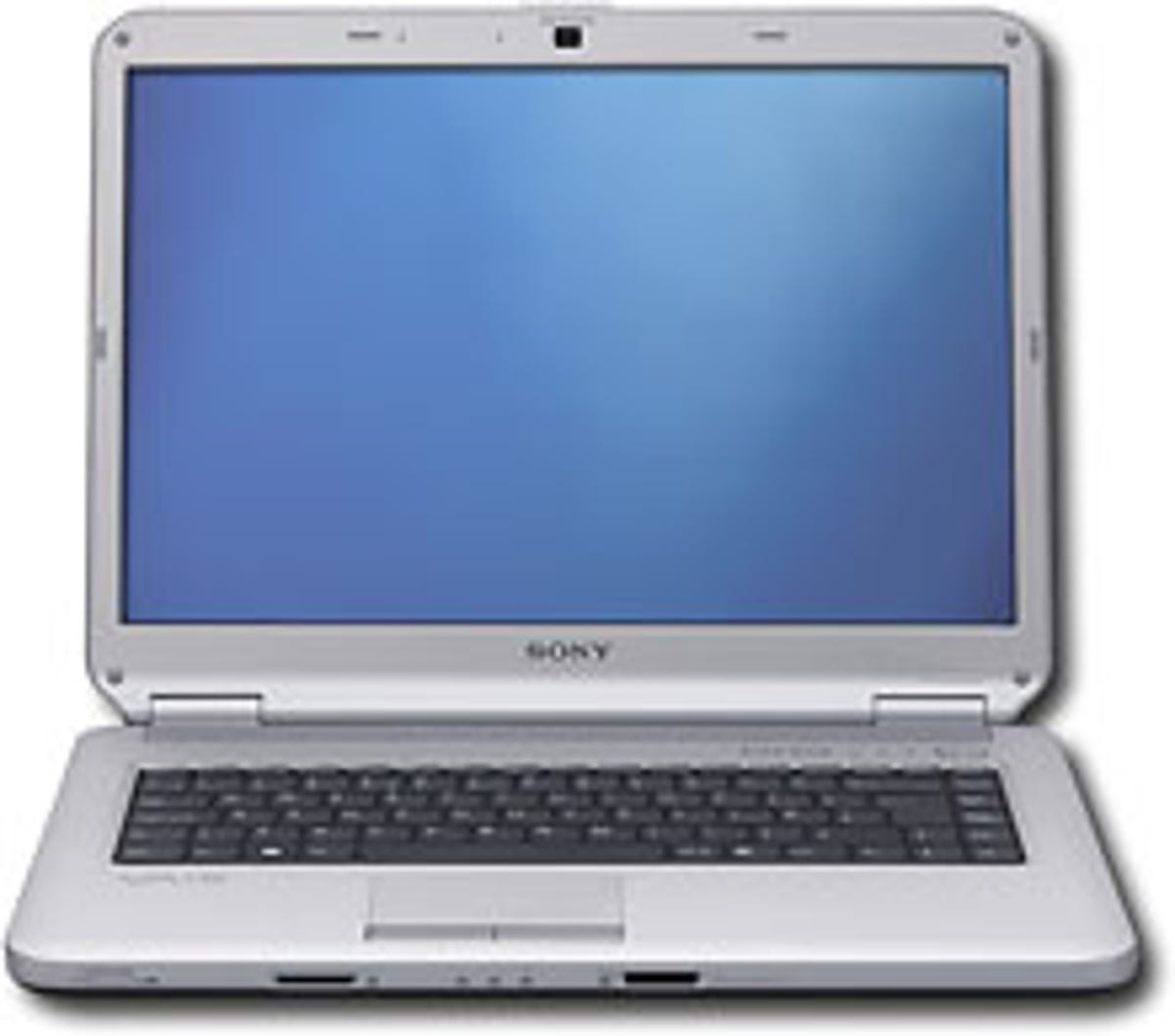
Sony Vaio laptops sold at retail stores are among a number of models from a variety of PC makers that have processors that don't support Windows 7 XP mode

Sony Vaio laptops sold at retail stores are among a number of models from a variety of PC makers that have processors that don't support Windows 7 XP mode

(Credit: Best Buy)

What is XP Mode? Here's how Ina Fried of CNET News describes it: "XP mode consists of two things, the Windows Virtual PC engine and a licensed copy of Windows XP Service Pack 3 as a packaged virtual machine. Although neither piece will be included in the Windows 7 box, XP Mode will be a free download for those who have a license to Windows 7 Professional, Windows 7 Enterprise, or Windows 7 Ultimate."

XP Mode (XPM) is aimed at businesses that have Windows XP-specific applications that they need to run on Windows 7. XPM allows XP applications to run seamlessly on Windows 7, according to Microsoft. The catch: Intel processors must have Virtualization Technology, or "Intel VT," in order to run XPM. (I won't cover Advanced Micro Devices processors here but will address AMD in a later post.)

Ed Bott's Microsoft Report says that "some of the most popular PCs on the market today...won't be able to use the vaunted Windows XP mode in Windows 7."

Bott lists Intel desktop and mobile processors that will and will not support XP Mode here and here, respectively.

Intel mobile processors may be the most problematic in supporting XP mode; not because of the raw numbers--most newer Intel mobile processors do, in fact, support Intel Virtualization Technology--but because a disproportionate number of those that do not have VT (and therefore don't support XP mode) are laptops sold at retail. (And, undoubtedly, some small businesses purchase laptops at retail.)

In the Core 2 mobile camp, the P7350/7450, the T5200/5250/5270/5300/5450/5470 series, and the T6400/6570 do not support VT, according to Bott's blog. And this can be confirmed on Intel's Web site.

A quick glance at Best Buy shows a somewhat lengthy list of laptop SKUs (models) with, for instance, the T6400 (non-VT) processor. The list includes Dell Studio, Toshiba Satellite, HP Pavilion, Sony Vaio, Asus, and Gateway laptops.

In the $600 to $899 laptop range, I found about 30 different SKUs with T6400 processors, though it should be noted that some of these SKUs are simply models with slightly different configurations.

And a quick search on CNET Shopper turns up a number of consumer models with the T5270. The point? To state the obvious, consumers will have to verify which processor their laptop has.

In an Intel blog, Nick Knupffer asserts this won't be a big issue. "Having VT on these consumer laptops is not going to be an issue--because the consumer versions of Windows 7 (Starter, Home Basic, and Home Premium) do not include Windows XP Mode," he writes.

And Intel, in a statement, had this to say. "Intel introduced its Virtualization Technology in 2005 and has shipped over 100 Million chips with the feature. Windows XP Mode is targeted for business customers. It is available on the mid to higher end versions of Windows 7 and is supported in hardware by many Intel processors."

Intel continued: "Intel vPro technology PCs are required to have an Intel VT capable CPU and Intel VT capable BIOS. They are the best platforms for testing and deploying Microsoft Windows Virtual PC and Windows XP Mode."

Brooke Crothers has been an editor at large at CNET News, an analyst at IDC Japan, and an editor at The Asian Wall Street Journal Weekly, among other endeavors, including co-manager of an after-school math-and-reading center. He writes for the CNET Blog Network and is not a current employee of CNET. Disclosure.


Recent posts from Nanotech - The Circuits Blog
First iPhone, now Droid. Who needs Windows?
One charge hard to level at Intel: Raising prices
Nvidia CEO unsurprised by Intel lawsuit
N.Y. lawsuit details Intel's 'largesse' toward Dell
Marvell touts new e-readers, partnerships
Intel comments on iPhone sync glitch
Former AMD chief Ruiz leaving spin-off
Inside the Motorola Droid, an iPhone likeness
Add a Comment (Log in or register) Showing 1 of 2 pages (51 Comments)
by Vegaman_Dan May 5, 2009 9:31 PM PDT
So... the low end limited laptops won't have this ability because they are using chepaer chipsets versus the higher end more powerful laptops which do support this feature.

I don't see the problem. Business is what this is targeted for and they aren't going to be using sub-$1000 consumer level laptops in the first place.
Reply to this comment
by DrtyDogg May 6, 2009 3:04 AM PDT
He also forgot to mention that "XP Mode" will only come in the business and ultimate SKUs of Windows, something else that is hard to find at retail.
by ssicomputers May 6, 2009 8:53 AM PDT
@DrtyDogg

Agreed. If you're buying a machine for business from a big-box, you deserve what you get. There are millions of competent, service-oriented local PC business providers that can steer around this problem very easily for small businesses.

I have no sympathy for people who pay $499 at Best Buy and then complain that a laptop can't do something.
by kcotham May 8, 2009 3:54 PM PDT
There will undoubtedly be plenty of small and mid-sized business that will choose to cheap it out, only to discover too late that they can't take advantage of the virtualization technology.
by artistjoh May 5, 2009 9:32 PM PDT
I feel sorry for Microsoft sometimes. Their business model of supplying software to run on anyone's hardware has been very successful at spreading Windows across 90% of the world's personal computers but it also throws up these sorts of problems continually and inevitably produces bad press from people who bought a Windows product that they thought would do something and then discover a hardware limitation on that. Vista is the classic example.

Contrast that with Apple who 9 years ago introduced OS X with a similar capability of being able to run programs from the older OS (they called it Classic mode) and more recently the move to Intel processors fueled a growth in virtualization to run Linux and Windows within OS X. None of this has caused any problems of any consequence at least partially due to the simplified hardware line up (currently around 9 models) and the ability of Apple to make certain that hardware issues do not compromise software usage in the same way that it does for Microsoft.

There are both strengths and weaknesses in both the Apple and Microsoft business models and this is an example of a weakness in the Microsoft approach.
Reply to this comment
by contentcreator--2008 May 7, 2009 7:30 PM PDT
Yes. The weakness in Apple's model will be apparent if they discontinue support for PowerPC CPUs in Snow Leopard. Good for their hardware sales, though. Apple's machines are less than uniform in their 64-bit support as well, an issue that is largely ignored. So though you'd expect it to "just work" from Apple's ads, plenty of people will find no 64-bit capability under the hood of their Intel notebooks and iMacs.
by tipoo_ May 8, 2009 11:26 AM PDT
Which apple models dont support 64 bit?
by kcotham May 8, 2009 4:02 PM PDT
All Apple computers have 64 bit processors. As I understand it, a major portion of the work on 10.6 will be to take full advantage of that. 10.6 is supposed to be 64 bit throughout.

Most PowerPC powered Macintoshes are nearing the limit of their useful life, sadly. Apple hasn't produced a PowerPC Macintosh in over 4 years. Disabling PowerPC support in 10.6 will not have any effect except that people with PowerPC Macintoshes won't be able to upgrade to 10.6. Vendors will undoubtedly continue to develop Universal Binaries for quite some time. I keep my old PowerBook G4 around with 10.4 on it, and it works splendidly running old games and other "classic" software that was originally written for Mac OS 8.

(By the way, I looked up my T8300 powered MacBook (early 2008) and it supports VT.)
by killercrit May 5, 2009 9:37 PM PDT
ok. this really has got to stop. "XP Mode (XPM) is aimed at businesses that have Windows XP-specific applications that they need to run on Windows 7".

If you are a business user aka Enterprise user, and xp mode is your so called "solution" then fire your it team. Microsoft and it's partners offer App-v and Med-V for that purpose. So please lets stop all this bs about a feature microsoft is offering to end home consumers and calling it a business features. Yes the fact that is there is a feature but it's not the full intent of microsoft for enterprise consumers to jump in and use this when they have a better working solution for it's "business" consumers.

Damn.
Reply to this comment
by cwilour May 6, 2009 4:12 AM PDT
Yes, because your average single-location restaurant has an extra server just sitting around to handle distribution of the VMs for a MED-V environment. As MS said, they have MED-V (APP-V does not really help here) for Enterprise environments, but this solution is expected to be used by the SMB market and professional users (independent contractors, for example.)

Just because they are a business, does not make them viable for an Enterprise platform.

BTW, I have not meet many SMB CFOs or controllers who do not take issue w/ being told that, after purchasing a new PC w/ Windows on it, they still have to spend the $35-50/yr per pc (5pc minimum) for MS Vista Business Upg w/ MDOP under an Open Value license for the "enhancements" to the OS - which is what MS requires for them to run MED-V since they are not large enough to get the 500 points for a MS Select License to cover their desktops.
by JournalSquared May 6, 2009 5:15 AM PDT
@killercrit: Agreed!

@cwilour: You've obviously never set up VMware, or you are deliberately trying to make this more confusing for people. VMware Player will run on an existing PC - Linux is installed side by side with Windows, and VMware is run to host Windows within Linux. Linux can already run Windows within a VM quite easily, so what the hell is so hard about this, MS?

"...has an extra server just sitting around to handle distribution of the VMs for a MED-V environment."

Go open source. Or, stop using an operating system that is 8 years old! Seriously, 8 years old?

XP-mode in Windows 7 is a great solution... although the problem seems to be Windows 7 itself.
by Renegade Knight May 6, 2009 7:25 AM PDT
You must not run a business. Either that or your thinking is so box bound you can't see the need. Either way there is no point in debating. So I'll just remind you about something. A computer is a tool. The software has a job to do. There are legacy appplications that have no modern counerpart, or the modern version is so bloated and worthless that the legacy applications is actually better for the job.
by starmonkey1 May 6, 2009 8:58 AM PDT
@JournalSquared: VMWare desktop software is comparable to, though more powerful than, MS Virtual PC 2007 (which is free and very simple to install and use).

MED-V provides deployment and maintenance of images across the enterprise--comparable to VMWare vSphere/vCenter, which are targeted at the enterprise just like MED-V is.

http://windowsteamblog.com/blogs/business/archive/2009/04/28/how-med-v-v2-helps-you-manage-windows-xp-mode.aspx
by jwarwick_dotmac May 5, 2009 9:55 PM PDT
There is a $200+ price difference for a Core2Duo like the T9600 (used in MacBook Pro's) that support hardware virtualisation and the < T9100's typically used in low end PC's that do not.

Explains part of that "Apple Tax" and illustrates that even at the same clock speed, all Core2Duo's are not the same.
Reply to this comment
by Spanwite May 6, 2009 2:36 PM PDT
"Dotmac" you made the point.

It's just funny, Mac hardware would be capable of running WIN7 and XP in visualization but not many of the Win hardware, go figure.

That's why soon Apple made also there own Chips.
The Software and the Hardware will fit together even better, NO one else will watch this for a long time.
They also might build a better security into the chips, viruses will have less effect!
by kcotham May 8, 2009 4:04 PM PDT
Apple has never "made their own chips". They have had a hand in designing CPUS from Motorola, IBM, and now Intel. But they have never manufactured CPUs.

Most Apple computers do utilise processors that support VT though, even my early 2008 MacBook's T8300 does.
by obry2000 May 5, 2009 10:20 PM PDT
Like many others before me said this feature is aimed primarily at Business users who should a) use more expensive and Enterprise-grade hardware (that has vPro or AMD-V capable CPU's) or use Microsoft's higher end MED-V platform to accomplish that task. My mid-range Dell XPS M1530 equipped with an Intel T7200 happily runs the new Windows Virtual PC and I am a happy camper being able to run Internet Explorer 6 to test my web apps.

I really don't understand the issue here. Yes, Best Buy has a whole bunch of SKU's with non-capable CPU's and the soccer moms and dads that will be buying those will more than likely not care and even more likely not even know of the existence of that feature that DOES NOT EVEN COME STANDARD WITH WINDOWS 7 - IT IS A SEPARATE DOWNLOAD!!!

<sarcasm>I just love it when people write articles like this one to make it sound like the end of the world is coming when in fact it's just BUSINESS as usual.</sarcasm>
Reply to this comment
by May 5, 2009 10:26 PM PDT
I currently use a Sony VAIO laptop with a T7100 Core 2 duo in it that supports Intel VT . Problem is my BIOS does not support virtualization.

I was disappointed at first that I am going to miss out on this feature if I upgrade to Win7, but once I realized that I've never needed XP for something specific in the 2 years I've been running Vista, I don't care.

I think the number of people that will actually need this is going to be very small, however the number of people that will want this will be large.
Reply to this comment
by BigGuns149 May 8, 2009 1:58 PM PDT
Agreed. VMware has been able to take advantage of VT for a while now, but a lot of people outside of the enterprise space don't use virtualization at all assuming that they even know what it is.

I have talked to a lot of people about virtualization in recent years as a solution to compatibility for legacy applications as opposed to dual boot setups and despite having been in business for a decade and being a rather familiar name to many people in the enterprise market a lot of people still have never heard of virtualization and even some of the people who have heard of it sometimes have misconceptions about it.
by kcotham May 8, 2009 4:06 PM PDT
Do new generic computers still use BIOS? Have they not switched to EFI?
by chrissd May 5, 2009 10:56 PM PDT
Note the intro in 05 part. By now, the technology isn't all that expensive. Intel is just marking the prices up like the annoying business they are.

@obry2000
XP ode will run XP programs. But XP can run DOS programs as it still has all the junk left over that everyone wanted MS to keep. So it will be extremely useful if you have 16bit or older 32bit software. And you wouldn't believe the amount of ppl who crack it because they can't use their pre 2000 software.. So it will be useful for a lot of ppl. Not just businesses.
Reply to this comment
by FireyIce01 May 6, 2009 3:29 AM PDT
That is silly. IF you need to run DOS programs, you have multiple options, including, but not limited to a DOSBox emulator application or simply installing DOS in vmware. No need for all this XP mode fuss. XP mode is targeted towards people that have specific applications that only support windows XP (and perhaps 2000, and 98) and use legacy APIs that are inherently insecure and therefore have been removed to increase the security of Win 7. Hell, I can run DOSBox on my 15" PowerBook G4. That's not even an Intel chip!
by BigGuns149 May 8, 2009 2:07 PM PDT
DOSBox costs nothing and can run on virtually any modern machine and has BETTER compatibility with a lot of DOS applications than Windows XP. Anybody who pirates Windows 7 to run some old DOS game is pretty stupid. Furthermore, there is a lot of Windows 9X based software that doesn't work in Windows XP nevermind the 16bit software that, which sometimes doesn't work under any NT based version of Windows.

The main purpose behind this XP virtual machine is to run applications that ran on XP, but won't run under Windows 7 natively. Sure, there is some older pre-2000 software that you can run with XP, but honestly one would be better off downloading Virtual PC 2007 or VirtualBox and dusting off your old Windows 98 discs and create a Windows 98 VM for your truly ancient applications. Even if one didn't have a Windows 98 CD you could buy one off ebay for $5-10. The overhead of running XP in a VM would be much greater than running 98 and wouldn't seem rational unless your application wouldn't run under Windows 98.
by Suny Buffalo May 5, 2009 11:12 PM PDT
let me get this straight, Intel says,"Intel continued: "Intel vPro technology PCs are required to have an Intel VT capable CPU and Intel VT capable BIOS."
OK. You speak of the CPU, but then what about the MoBo? How is that addressed? Does that mean that VT capable BIOS can be found in newer MOBOs, or that getting an Update to the BIOS will address/insert instructions for Enabling VT capability, if one either has a VT capable CPU already installed, or upgrade to one?
Seems like talking about the CPU, we're left with the issue of the MOBO. What a shame
Suny
Reply to this comment
by FireyIce01 May 6, 2009 3:30 AM PDT
Well, that is exactly the issue. Intel doesn't make the motherboards in most of these systems, just the CPU and chipset, usually. The bios is the responsibility of the PC vendor (HP, Dell, Lenovo, Toshiba, etc) and *could* result in bios updates to support the VT CPU. However, no promises.
by Rants&Raves May 6, 2009 12:32 AM PDT
This is a limitation of the Virtual PC software, not a limitation of the processor. It is true that Intel has introduced features that make virtualization easier, but none of these existed in 1999 when VMWare was founded; VMWare works well on processors where Virtual PC will run, and it includes its own BIOS (licensed from Phoenix if memory serves). It's unfair to shift the PR hot potato to Intel on this one.
Reply to this comment
by Pishkado May 6, 2009 5:14 AM PDT
Precisely the point. Microsoft knew what each kind of processor did when it decided to develop this feature. It made a choice to limit it to a subset of the available processors. (It's not like there are a bazillion versions they have to support; as regards this, there are two.) Maybe it was the right choice for them to make, maybe it was the wrong one, but let's not call it anything else.
by loose_screw May 6, 2009 2:28 AM PDT
Good info, thanks.
Reply to this comment
by kool_skatkat May 6, 2009 2:47 AM PDT
What's the point, then it's worthless, but to some corporations who carefully select their hardware... a clever way to kill XP, by pretending to love it while making it hard for it to stay alive.

Maybe that's something to put in an advert.
Reply to this comment
by Re-box May 6, 2009 4:25 AM PDT
That's what is wrong with Windows 7 -- it's Microsoft. Duh!
Reply to this comment
by rmva May 6, 2009 4:43 AM PDT
What's the big deal here? Plain vanilla Virtual PC 2007 will still run in Windows 7, even if harware virtualization is not available on the processor. VPC is a free download too, although you would have to pay for the XP license.

Also XP Mode only supports a single app.
Reply to this comment
by BigGuns149 May 8, 2009 2:15 PM PDT
Having used the said application I can say that Windows Virtual PC can run multiple virtualized applications if one so desired, that being said except for the ability to have a virtualized application without seeing the remainder of the desktop I haven't seen much novel about this newer version of VirtualPC. I think a lot of people would be better off simply installing XP in VirtualBox or Virtual PC 2007 and reuse their old COA off their old box. It would save them about a $100 and so far as I can tell except for this Unity type feature this new version of Virtual PC isn't much better than the free one. Considering that one can buy an XP license for about the same price as the difference I wouldn't recommend buying paying the premium for Business or Ultimate unless one is going to use some of the additional features beyond XP Mode.
by liquidmetalband May 6, 2009 5:35 AM PDT
VirtualBox already virtualises Windows XP perfectly, regardless of your CPU chip. Microsoft should just cut some kind of deal with Sun Microsystems to use that.
Reply to this comment
by baylors May 6, 2009 6:08 AM PDT
You mean Oracle. And by the time the deal would be struck, there would be no VirtualBox.
by man_w_balls May 6, 2009 7:50 AM PDT
RE: "there would be no VirtualBox"

So go download it now - it's free! And it works really well also. Just because software gets pulled in the future doesn't mean you can't hold on to old copies that still work. Tech support is for cowards anyway. Be brave and Google your own solutions!
by BigGuns149 May 8, 2009 2:19 PM PDT
Considering that most of VirtualBox is licensed under GPL even if Oracle decided to stop development someone else could pick up development. For the time being I think it is at least as good as Microsoft's Virtual PC 2007 if not slightly better (some linux distros don't work properly in VPC2007).
by kcotham May 8, 2009 4:09 PM PDT
http://en.wikipedia.org/wiki/Intel_VT
by schmidtr May 6, 2009 6:17 AM PDT
The following info would have been nice in the article ... Intel provides a CPU Identification Utility that clearly identifies what features your CPU supports. It can be found at http://www.intel.com/support/processors/tools/piu/sb/CS-014921.htm

Cheers!
Reply to this comment
by gorgeclimber May 6, 2009 7:03 AM PDT
Make that A LOT OF Intel chips. As an example, a souped-up Dell machine 4 years old will not handle virtualization based on the Intel test. I bet if you run the Intel test software on any machine over a year old, you would find they do not meet the grade.
Reply to this comment
by BigGuns149 May 8, 2009 2:39 PM PDT
True, a lot of lower end Intel chips don't have VT, but a lot of mid range to higher end Intel chips made in the last 3 years that one would realistically use for virtualization of Windows XP do have the VT extensions. For example, the E6600, which came out in July 2006 supports Intel VT. Heck, the Pentium D 920, which is over 3 years old did as well. On the mobile side, going back to 2006 most of the Yonah based Core processors supported Intel VT and even some upcoming Atom processors will have Intel VT support.

We aren't talking Core i7s here to get this feature or even just new models in the last year to get this feature. There are a lot more machines over a year old that offer Intel VT than you think. I agree with you that it certainly still isn't a standard feature on Intel processors, but most of the processors that don't have the extensions aren't the type of processors where virtualizing XP under Windows 7 probably wouldn't run well with or without Intel VT support. The Core Solo T1200 for example has Intel VT support, but Windows 7 doesn't run well on such hardware nevermind running XP in a VM.
by shArkb0y May 6, 2009 7:25 AM PDT
This sounds like BS to me.

I think that the author should check his sources.

Virtual PC has never required hardware virtualization. In fact the product did not even support it until VPC 2007. You do get a slight performance boost with Virtualization enabled but the average user would probably not even notice it. I find it hard to belive that MS would require this to run XP mode.

The author, who is probably non-technical, may have heard that Intel VT is recommended and that XP mode will not run as fast on older laptops or laptops with low end ADOM processors. She most likley either confused this as "not supporting" or tried to make her story more "juicy" by extrapolating.

In either case the author should check her sources, then retract the story.
Reply to this comment
by Ted Miller May 6, 2009 7:42 AM PDT
I am about fed up with this continued stupidness, Time to go UBUNTU and work out the problems from there. To think that I am a devout Microsoft user, but all this uncertianty is killing me. Either we have a solid operating system or simply do us a favor and liquidate so that someone who can do the job, will!
Reply to this comment
by ssicomputers May 6, 2009 8:51 AM PDT
I continue to have little or no sympathy for 99% of the people that will run into this "problem" because they buy "business" computers at a big-box store.

The sad fact is that most of the big boxes do NOT sell business PCs. They sell cheap hardware-based, low-priced "business" PCs.

The bottom line is, if you want a true business PC talk to people who know, i.e. a local service provider or consultant that focuses on helping small business avoid these kind of problems.

That being said, it was stated above that lots of people will WANT this feature and very few will actually NEED this feature. Completely agreed.
Reply to this comment
by BigGuns149 May 8, 2009 2:50 PM PDT
I worked at Fry's for a while and especially with desktops we didn't sell any real business machines at all. We sold some high end consumer machines, but no machine offered business versions of Windows or Intel vPro or anything else that would indicate that it was a business computer. None of our local competitors I recall sold real business boxes either.

Most business owners who know what they are doing directly order business machines through HP, Dell, or Lenovo and only stop by retail stores for the occasional well priced sale item or when they need something now (eg. our 24 port switch died this morning and we need to get back to work now.) Small OEMs pick up much of the remaining marketshare. Intel's retail training pretty much focuses entirely towards the home consumer because they realize that retail makes up a small percentage of business sales.

I agree with you on finding a competent local service provider or consultant for small businesses that can't afford to maintain a full time IT department.
by warpsix May 6, 2009 4:06 PM PDT
Funny it worked great in the beta of 7 but the new rc1 doesn't work . i had almost a dozen vm's working with the beta win 95,98, win2k , xp home and pro.and a few flavors of linux . Never had a single problem. Microsoft it wasn't broken why did you fix it?
Reply to this comment
Showing 1 of 2 pages (51 Comments)
advertisement

FAQ: Buying the right Windows 7 upgrade

Readers still have lots of questions on just which version of the software they need to buy in order to upgrade their PC. CNET News tries to offer some answers.

N.Y. lawsuit details Intel's 'largesse' toward Dell

Attorney General Andrew Cuomo's federal antitrust case filed Wednesday alleges a longstanding symbiotic relationship between Intel and Dell.

advertisement

About Nanotech - The Circuits Blog

Brooke Crothers was formerly editor-at-large at CNET News.com, an analyst at IDC (International Data Corp.) Japan, and an editor at The Asian Wall Street Journal Weekly (The Wall Street Journal, Dow Jones), among other endeavors, including a recent hiatus from the tech industry when he co-managed an after-school math and reading center. Nanotech covers computer chip technology and how it defines the computing experience. He is a member of the CNET Blog Network, and is not an employee of CNET. Disclosure.

Add this feed to your online news reader

Nanotech - The Circuits Blog topics

advertisement
advertisement

Inside CNET News

Scroll Left Scroll Right