Commentary: AirPods have always received useful features with software updates. With iOS 18 around the corner, will AirPods get another hearing health option?
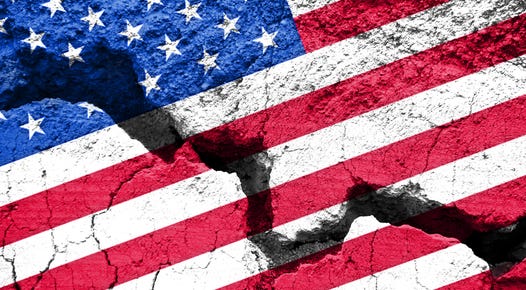
All those trendy new AI tools make it easier to distort political narratives. You'll need to be on guard.
A new plant system fortified with microbiomes is engineered to clean as many toxins from your home's air as 30 normal plants.
The first round of the NBA playoffs continues Friday. Here's everything you need to know to watch tonight's games and the rest of the playoffs without cable.
The move by Alphabet comes just months after Facebook and Instagram parent Meta issued its own first dividend.
Generative AI tools have the potential to help both singles and scammers.
Neoplants uses microbiome science to turn an ordinary plant into an air-purifying machine. Here's how it works.
The tech giant has been conspicuously absent from the generative AI race so far.
New grants for Solar for All programs aim to install solar panels and boost community solar access nationwide. Here's the list of grantees near you.
Get the boost you need before your run, ride or strength session from these energizing pre-workout supplements, personally tested by our fitness expert.
Surprise even the pickiest people on your list with these unique and useful gifts.
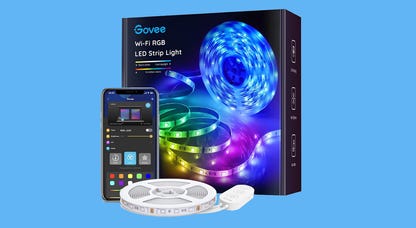
Sunrise alarm clocks slowly wake you up without any sudden, annoying sounds. Here are our picks of the best sunrise alarm clocks on the market.
Commentary: If you want to cultivate a work-and-travel lifestyle, you need the right gear without being bogged down. Here's what I bring.
You don't need to spend a fortune to show your mom just how much you love her. Here are some affordable Mother's Day gift options.
Commentary: The singer-songwriter has written yet another set of memorable new tracks for her latest album.
Kids aged 9 to 12 can be difficult to shop for, so we're here to help take the hassle out of finding the best gifts for tweens.
The dark anime series with John Wick vibes is closing out its first installment.
Everything you need to know about sustainability.
Learn to better navigate our digital world.
A dive into the infinite complexities.
The next stage in the internet's evolution.
Creating independence for everyone.