Apple debuts two new iPad Pros -- one starting at a gulpworthy $1,300 -- and two new Airs, plus an upgraded Pencil and Magic Keyboards.
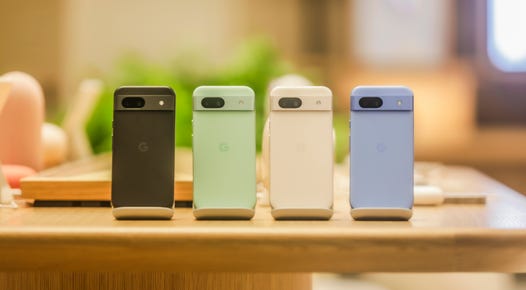
It inherits a bunch of features from the pricier Pixel 8, further closing the gap between Google's budget and mainstream phones.
The new iPad Pro and Air models revealed today will get a new tool with squeeze and barrel roll gestures.
From deepfakes to disinformation, this year's annual San Francisco gathering of cybersecurity professionals is focused almost entirely on artificial intelligence.
June's Nintendo Direct won't have details on the company's next console, but the product will be announced in the fiscal year, Nintendo says.
Eye exams, glasses and contacts have traditionally been an expensive proposition for those without vision insurance. However, low-cost eye care is available. Here's what to know.
These are the best travel gadgets for your next adventure.
Protecting children from social media content that may harm their mental health is a minefield. One country has a new plan in place to "tame toxic algorithms."
Choosing the right solar installer for you can make all the difference in your energy independence journey. Here are CNET's picks for the best national installers.
What to watch: a roundup of titles to keep you busy this week, May 6 to 12.
Here's everything you need to know to watch today's NBA action, and the rest of the playoffs, with or without cable.
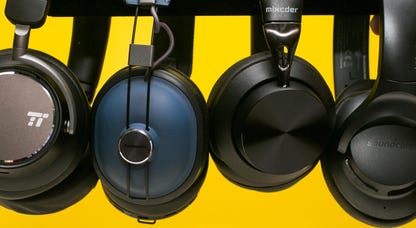
Our experts tested noise-canceling headphones to find the best pairs that won't break the bank. Here are our favorites.
Fill your body with all the nutrients and vitamins you need with these great multivitamins for men.
We put the best espresso machines to the test from brands like Breville and Cuisinart. Here are our favorites.
The iPad Pro is a more beautiful tablet than ever, but the proposition seems very much the same. The Pencil Pro, though, has welcome new features.
The quest for Lord Stanley's Cup continues this week, and you don't need cable to watch.
A new tool assesses the likelihood of fraudulent transactions in real time. What does it mean for you?
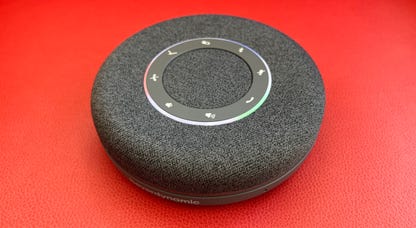
Make sure you don’t miss a thing on your next conference call with one of the best speakerphones available.
Everything you need to know about sustainability.
Learn to better navigate our digital world.
A dive into the infinite complexities.
The next stage in the internet's evolution.
Creating independence for everyone.