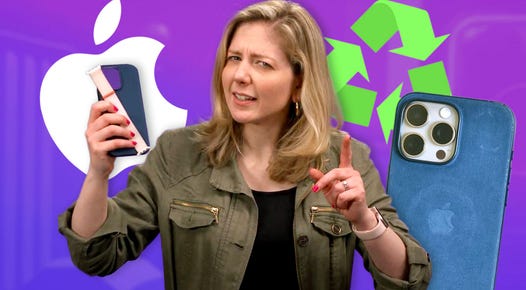
Commentary: Apple brings innovation to its ambitious environmental initiatives. Can it spare some innovation for better "green" accessories?
There's a strong consensus that EVs are better for the environment than fossil fuel-driven cars. How do you convince the doubters?
Swift surprised fans at 2 a.m. with an extra 15 songs. Here's what we know about this new era.
Altstore PAL is available only to EU residents after a ruling that Apple has to allow third-party app stores.
Stop forgetting your passwords and start using Bitwarden, the best LastPass alternative for free.
Get out and have some fun in your own backyard with these outdoor games.
Check out the top cases for all the iPhone 15 models.
Looking for temperature regulation, pressure relief and motion isolation? Bring relief to your sleep with one of these great gel mattresses.
Love your frames but need to replace the lenses? Here are the best places for replacement lenses online.
MobileX's AI-powered tool studies your usage and tailors your plan to fit your needs. We break down exactly how much it saves you.
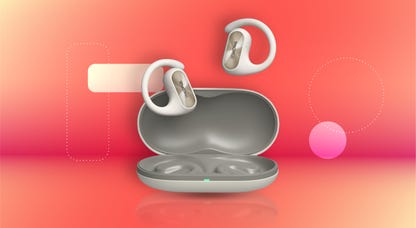
Shopping on a budget doesn’t mean you have to sacrifice your sound quality. These are some of the best wireless earbuds on the market -- and they're all less than $50.
Any broadband provider will offer speeds good for streaming, but some are better for your entertainment than others. Here are the best ISPs for streaming.
The Tortured Poets Department is here, and Swifties once again can use some of the singer's songs in their videos again.
We did the research and testing to find the best vegan meal delivery subscription to help you live your best life.
Here's what dermatologists say about them and whether they're worth the high price tag.
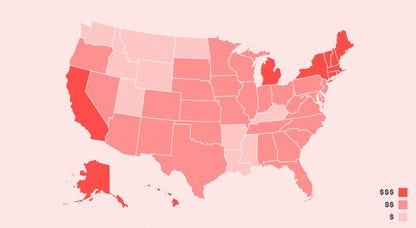
See how your state's average utility bills compare to the rest of the nation.
Here's everything to consider before buying a new king-sized mattress.
Looking for a new queen-size mattress? Our sleep experts have tested and ranked the best queen mattresses that are worth the investment.
Everything you need to know about sustainability.
Learn to better navigate our digital world.
A dive into the infinite complexities.
The next stage in the internet's evolution.
Creating independence for everyone.