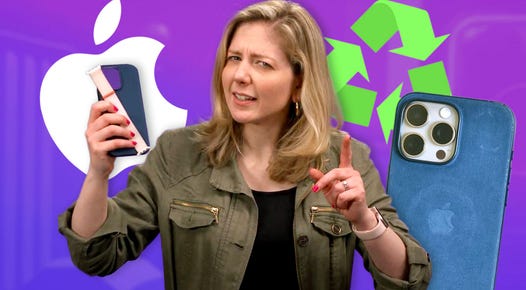
Commentary: Apple brings innovation to its ambitious environmental initiatives. Can it spare some innovation for better "green" accessories?
There's a strong consensus that EVs are better for the environment than fossil fuel-driven cars. How do you convince the doubters?
Swift surprised fans at 2 a.m. with an extra 15 songs. Here's what we know about this new era.
Love your frames but need to replace the lenses? Here are the best places for replacement lenses online.
MobileX's AI-powered tool studies your usage and tailors your plan to fit your needs. We break down exactly how much it saves you.
The Tortured Poets Department is here, and Swifties once again can use some of the singer's songs in their videos again.
We did the research and testing to find the best vegan meal delivery subscription to help you live your best life.
Here's what dermatologists say about them and whether they're worth the high price tag.
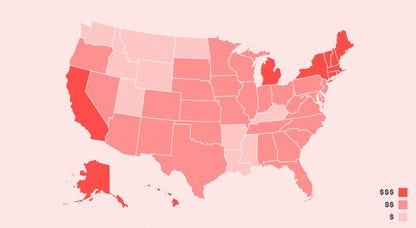
See how your state's average utility bills compare to the rest of the nation.
Here's everything to consider before buying a new king-sized mattress.
Looking for a new queen-size mattress? Our sleep experts have tested and ranked the best queen mattresses that are worth the investment.
Space City has a bit of everything, and its broadband scene is no different. CNET helps you decide which Houston internet provider might be right for you.
While there are more feature-packed VPNs, it’s hard to complain about the intuitiveness and value of DuckDuckGo’s no-frills virtual private network.
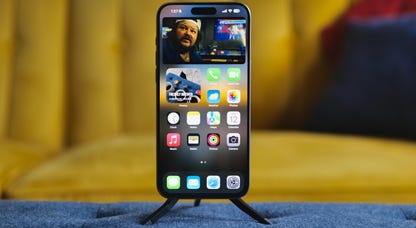
Commentary: Here's what I learned after living with Apple's 15 Pro Max for over half a year. Spoiler: It's still my daily driver.
For a generation of young people struggling with rent, solar power could help cut back on the bills.
Our gifting experts share their favorite Mother's Day gift ideas for the queen of the castle.
Reduce your environmental impact with solar-powered gadgets, reusable straws and planet-friendly shoes.
Everything you need to know about sustainability.
Learn to better navigate our digital world.
A dive into the infinite complexities.
The next stage in the internet's evolution.
Creating independence for everyone.