Commentary: I'm on a mission to cut back on screen time. I ask experts for tips on how to make it happen.
The event invite shows an Apple Pencil in a hand. iPads are overdue.
Exclusive: Google invited CNET to its Real World Testing Lab to see how it's working to improve video recordings on its flagship Pixel devices.
Nokia maker HMD has unveiled its first own-brand phone series. All three of the devices have repairability at their heart.
Without this update, malicious actors could take advantage of some zero-day vulnerabilities on your iPhone.
This feature can give your device and data more protection from malicious actors.
Apple has a wide range of iPhones to fit every budget and meet all your smartphone needs.
Both providers are new and improved internet options for rural areas, but which is best for you? Here’s how Starlink and T-Mobile Home Internet compare.
Here are some hints, and the answer, for Wordle No. 1040.
Ditch the stovetop and make your life easier with one of the best electric kettles available.
Hate noisy alarm clocks? Our picks of the best sunrise alarm clocks on the market will help you wake up peacefully.
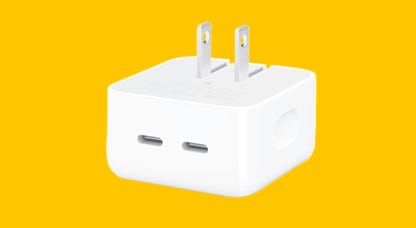
If you're looking for a new charger for your M2 MacBook Air, look no further. These are the options we've tested and approved.
Make memories even more special by using one of these photo-book services to make professional-looking photo albums.
A Z Flip 6 specs leak hints at the clamshell phone's capabilities.
A generation of young people is struggling to find homes, but that doesn't mean that they can't switch to clean energy -- and put more money in their pockets.
The first round of the NBA playoffs continues today. Here's everything you need to know to watch tonight's games, and the rest of the playoffs, without cable.
Find your next grill from our list of expertly tested, top-of-the-line gas grills.
The tech giant is building lightweight AI that's more power-efficient and can run on PCs and phones.
Everything you need to know about sustainability.
Learn to better navigate our digital world.
A dive into the infinite complexities.
The next stage in the internet's evolution.
Creating independence for everyone.