For some Americans, smartphones are the only source of internet they can afford. But advancements in wireless networks could hopefully change that.
The iconic Transformers villain comes to life in a self-converting robot that turns into a tank. It's a killer toy.
The future of TikTok is a bit fuzzy. Here are similar apps to give your attention to.
If you're looking to put a TV in a smaller room, our picks for the best 55-inch TVs include the best options out there.
Here are some hints, and the answer, for Wordle No. 1042.
The carrier first announced the acquisition last year.
Captures stored on your console will remain, but the cloud backups will be deleted.
You can choose your energy supplier in Connecticut. Here's what you should know.
Chemical drain cleaners can be an effective way to clear blockages. We've tested the top brands in our lab; here are the winners.
Which Cambridge internet provider is best for your home? Here’s a look at the top local internet providers and what makes them the best in Cambridge.
Looking for a top portable Bluetooth speaker? We've tested a bunch of them and these are our current favorites.
The first round of the NBA playoffs continues Thursday. Here's everything you need to know to watch tonight's games and the rest of the playoffs without cable.
Sometimes you take a call on your phone and want to switch to your laptop. Now you can.
More than 100 actors will bring the series to life for listeners.
Bugs hate these plants. Put a few in your house to keep ants, flies, cockroaches and other unwanted critters at bay.
Getting contacts is now made easy, skip the office with the best places to buy contact lenses online.
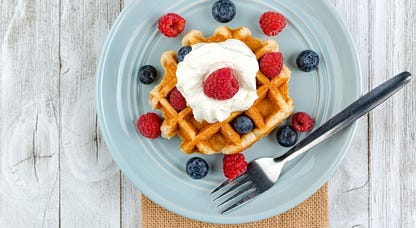
Impress your your family at breakfast (or whenever) with our top tested waffle makers.
Looking for a wireless Bluetooth speaker that packs some serious punch? Check out CNET's favorite jumbo portable speakers that are built to party.
Everything you need to know about sustainability.
Learn to better navigate our digital world.
A dive into the infinite complexities.
The next stage in the internet's evolution.
Creating independence for everyone.