Commentary: AirPods have always received useful features with software updates. With iOS 18 around the corner, will AirPods get another hearing health option?
All those trendy new AI tools make it easier to distort political narratives. You'll need to be on guard.
A new plant system fortified with microbiomes is engineered to clean as many toxins from your home's air as 30 normal plants.
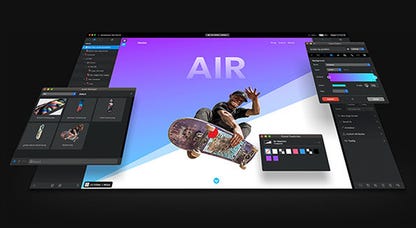
These services let you build your own website rather than pay a fortune. They're great for small-business owners, writers, consultants, artists, photographers and more.
The updated design would be a welcome change from the clunky rail system of the current model.
The quest for Lord Stanley's Cup continues tonight and over the weekend with a bevy of first-round games.
We tested over a dozen workout shorts to find our top picks, helping you stay dry, comfortable and secure during your workouts.
A Google program will provide AI skills training and funds to underserved communities, schools and small businesses.
We've picked out the best robot vacuums after putting them through extensive testing methodologies we've fine-tuned over the years.
The carrier first announced the acquisition last year.
Saatva's Loom & Leaf is a high-end memory foam mattress with multiple firmness options that are perfect for stomach and back sleepers.
The first round of the NBA playoffs continues Friday. Here's everything you need to know to watch tonight's games and the rest of the playoffs without cable.
The move by Alphabet comes just months after Facebook and Instagram parent Meta issued its own first dividend.
Generative AI tools have the potential to help both singles and scammers.
Neoplants uses microbiome science to turn an ordinary plant into an air-purifying machine. Here's how it works.
The tech giant has been conspicuously absent from the generative AI race so far.
New grants for Solar for All programs aim to install solar panels and boost community solar access nationwide. Here's the list of grantees near you.
Everything you need to know about sustainability.
Learn to better navigate our digital world.
A dive into the infinite complexities.
The next stage in the internet's evolution.
Creating independence for everyone.