For some Americans, smartphones are the only source of internet they can afford. But advancements in wireless networks could hopefully change that.
The future of TikTok is a bit fuzzy. Here are similar apps to give your attention to.
Truff promises the "hottest sauce yet" with this Star Wars collab, but the concoction falls short of being the ultimate power in the galaxy.
From educational to silly fun, these are the toys your little ones will obsess over this year.
There’s no way around it -- most popular beds are expensive. The Lucid mattress is a comfortable memory-foam mattress that won’t break the bank.
The iconic Transformers villain comes to life in a self-converting robot that turns into a tank. It's a killer toy.
Looking for a quality gift without going overboard? Check out our favorite tech gifts under $100.
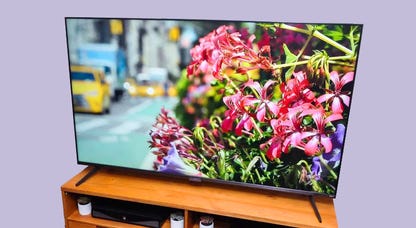
Want a massive TV to binge all your favorite shows? Check out our favorite 75-inch and 77-inch TVs.
The long-awaited dramatization of the post-apocalyptic Bethesda game classic has become a hit with fans.
Gift giving just got more delicious.
The iPhone is poised to make a foray into gen AI in 2024. Here's what's flying around in the iPhone 16 rumor mill.
Game Pass Ultimate and Core subscribers can access more games now.
Want the fastest data possible? Check out our picks for the best 5G phones out there.
From foldables to new phones from Samsung, Google and Motorola, these are the best Android phones of 2024.
With a wide selection of fiber providers, most Greenwood residents have great options for home internet.
Here are some hints, and the answer, for April 25, Wordle No. 1041.
Everything you need to know about sustainability.
Learn to better navigate our digital world.
A dive into the infinite complexities.
The next stage in the internet's evolution.
Creating independence for everyone.