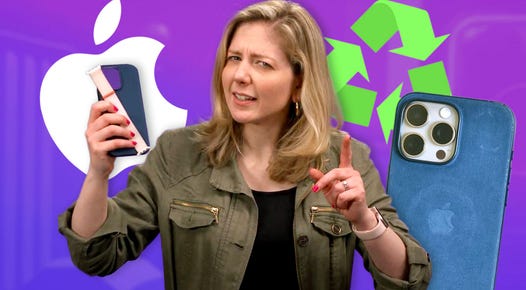
Commentary: Apple brings innovation to its ambitious environmental initiatives. Can it spare some innovation for better "green" accessories?
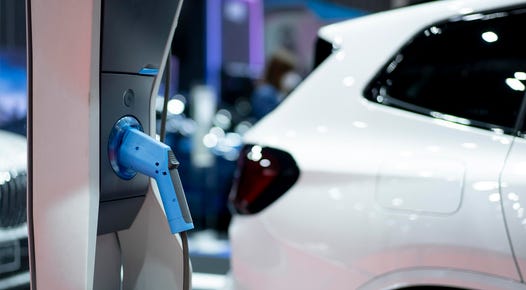
There's a strong consensus that EVs are better for the environment than fossil fuel-driven cars. How do you convince the doubters?
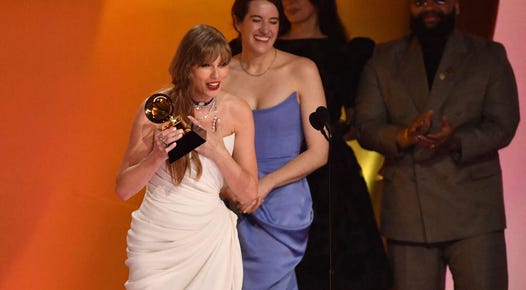
Swift surprised fans at 2 a.m. with an extra 15 songs. Here's what we know about this new era.
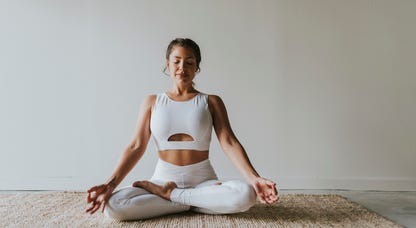
If you've been struggling to relax enough to fall asleep, yoga might be able to help. Add these poses to your routine for the ultimate night's sleep.
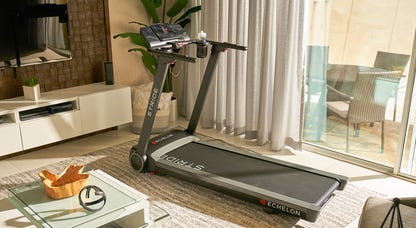
We tested the best treadmills that include the popular ones from Peloton and NordicTrack to help you find the best option for your home. Check out our top picks.
Can Pep Guardiola's side bounce back from their Champions League disappointment?
Here's what all the rumors say about the upcoming Google Pixel 9, 9 Pro and 9 Pro XL.
Here are some great picks for your next movie night.
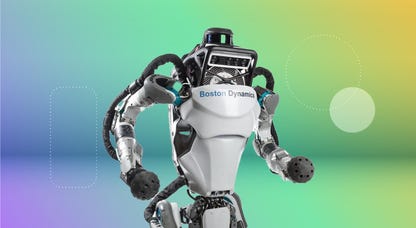
Atlas tried to do everything from dancing to parkour, and sometimes it even succeeded.
Commentary: An iPhone 16 Ultra is just waiting to happen.
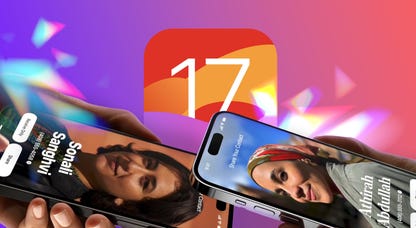
The update was packed with features like the Journal app and Contact Key Verification.
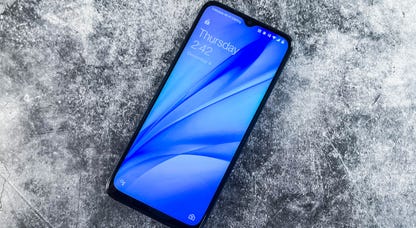
Check out the best phones with productive and essential features that won't bust your budget in 2024.
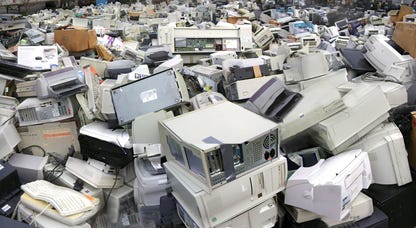
Got an old printer or two that you want to recycle? Check out retailers like Best Buy, OfficeMax and Staples.
Can Ronnie O'Sullivan claim a record eighth title?
Stay safely hydrated in the wild with the best filtered water bottles, tested and reviewed by CNET.
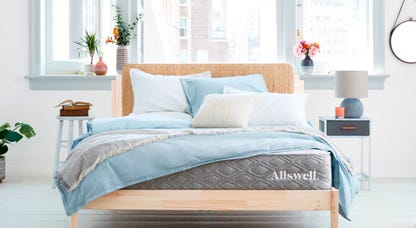
Buying a quality mattress doesn't have to break the bank. We'll show you how with our expert-tested best list of budget-friendly mattresses.
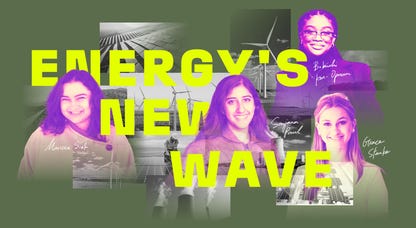
They're all under 30, and they've got a clear vision and the right skills to guide the US as it embraces the clean energy revolution.
The House of Representatives may soon vote on legislation that would effectively ban TikTok. Here's what's next.
Everything you need to know about sustainability.
Learn to better navigate our digital world.
A dive into the infinite complexities.
The next stage in the internet's evolution.
Creating independence for everyone.