They're all under 30, and they've got a clear vision and the right skills to guide the US as it embraces the clean energy revolution.
Sony simplifies its home theater offerings, including OLED and mini-LED TVs and some interesting speakers -- all under the Bravia name.
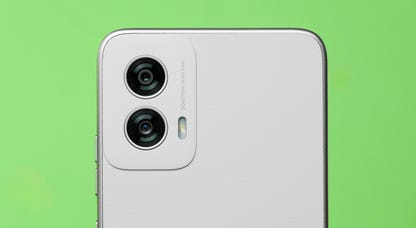
The beer company's new flip phone is bubbling with nostalgia.
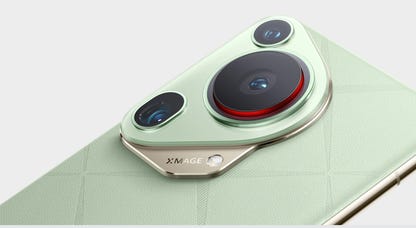
Huawei's phone business has shown signs of recovery, but it's not yet back to where it was before US sanctions.
You can access these titles and more if you have a Game Pass Ultimate subscription.
Commentary: Turns out, Motorola had shortcuts figured out 10 years ago.
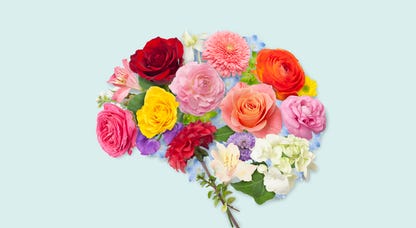
Stress can be overwhelming. These easy daily habits can help you fight back.
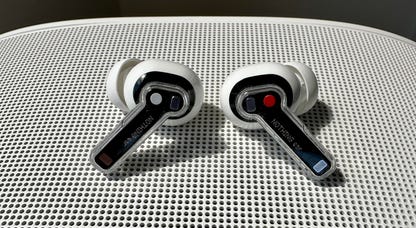
Nothing's ANC earbuds are still a translucent take on Apple's AirPods Pro, but improvements abound for this third go-round.
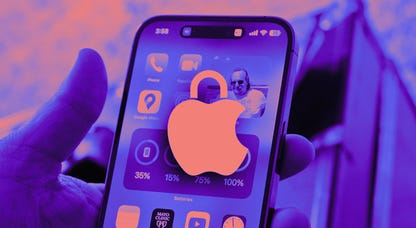
You should tweak this iPhone setting now if your phone's case holds your credit card.
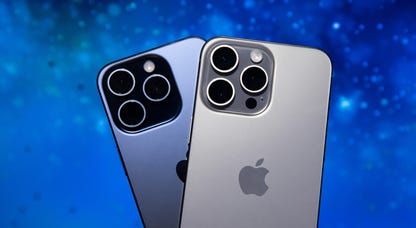
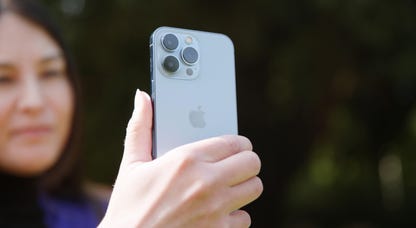
Apple has a wide range of iPhones to fit every budget and meet all your smartphone needs.
Here are some hints, and the answer, for April 18, Wordle No. 1034.
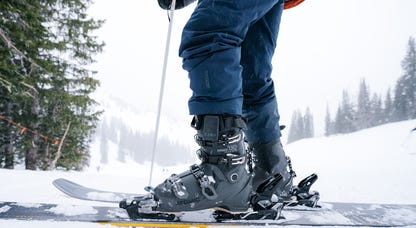
Check out our favorite high-tech winter gear for skiing.
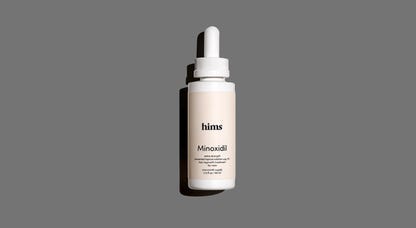
From supplements and vitamins to serums, these are all the best hair growth products we’d recommend.
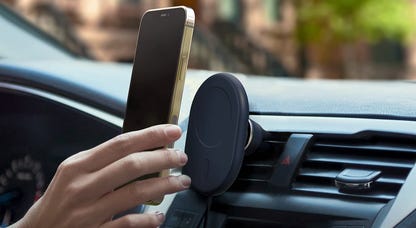
Arrive to your next destination on 100% and keep your car clean with these great wireless chargers.
Altstore PAL is available only for residents in the EU as part of the Digital Markets Act ruling that Apple must allow third-party app stores.
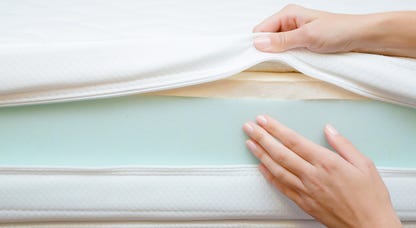
Latex mattresses are durable, pressure-relieving and responsive. Here are the best latex mattresses, tested and rated by our sleep experts.
Whether you need to build a new resume from scratch or want some professional advice, we’ve curated the best websites, apps and services to make you stand out.
Looking for a new scale? We’ve put the best smart scales on the market to the test and rounded up all of our favorite picks.
Everything you need to know about sustainability.
Learn to better navigate our digital world.
A dive into the infinite complexities.
The next stage in the internet's evolution.
Creating independence for everyone.